Enrolling Now for 2026-27 School Year.
Enrolling Now for 2026-27 School Year.

The internet is a huge part of your child’s daily life, at school and at home. It gives them access to information, lets them connect with classmates and teachers, and opens up a world of learning. But along with those benefits come real risks, including some that can affect a child’s safety, privacy, and well-being.
You can’t remove every risk from the online world, but you can help your child build the skills to handle it well. This guide breaks down digital citizenship — what it means, why it matters, and the skills that help your child stay safe, kind, and confident online.
Digital citizenship means using the internet responsibly and treating others with kindness, both online and off. It’s about helping your child learn to protect themselves and others from risks like cyberbullying and online threats, while using technology in smart, thoughtful ways.
Your child will spend time in both the real and digital worlds, whether they’re socializing with friends or working on schoolwork. Teaching your child digital citizenship helps them show up well in both. Here’s why it matters:
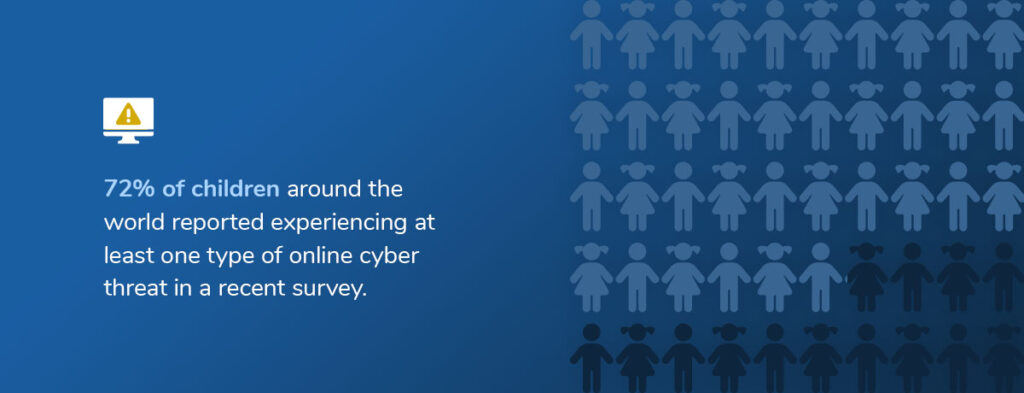
These are the eight skills that make up digital citizenship, and what your child will learn from each one.
This is about good manners online. Your child will learn what respectful behavior looks like when using technology and interacting with others online, and how to recognize behavior that’s unkind or discriminatory.
For example, they’ll learn why typing in all caps can come across as shouting, why it’s important to think before hitting “send” on a comment, and how the same courtesy they’d show a classmate in person applies just as much in a group chat or online game.
Just like in the real world, laws apply online. Your child will learn the basics, from copyright and plagiarism to serious issues like cyberbullying, so they understand where the legal and ethical lines are.
This might mean learning why copying an image from the internet without permission isn’t the same as taking a photo themselves, or understanding that hurtful messages sent online can have the same consequences as things said in person.
With so much information online, it’s easy to run into misinformation and fake news. Your child will learn how to check information for accuracy and how to properly credit sources. This will help them think critically about what they read and avoid plagiarism.
Practically, this could be learning to check who wrote an article before trusting it, cross-referencing a surprising claim with another source, and understanding the difference between a credible news site and a random post shared on social media.
Your child has many ways to communicate online, from social media to email and texting. Digital citizenship teaches them how to communicate well across all of these and helps them understand how their digital footprint can follow them through life.
They’ll learn, for instance, that a text to a friend and an email to a teacher call for different tones, and that photos or comments posted today can still be found years later, even after they think they’ve been deleted.
Online shopping has made the world one big marketplace, but it comes with risks like scams and identity theft. Your child will learn how to spot fraud and use their personal information safely when shopping online. This includes recognizing warning signs such as deals that seem too good to be true, unfamiliar websites that ask for more personal information than necessary, and messages that pressure them to act or pay quickly.
Just like in the real world, your child has rights online, including privacy and freedom of expression, as well as responsibilities to others. They’ll learn how their actions can affect others and why it matters to speak up when they see cyberbullying. This could be understanding that being a bystander to unkind behavior online is different from being an upstander, and that reporting a concerning post or message isn’t tattling, it’s protecting someone.
Too much screen time can affect a child’s physical and mental health. Research links excessive screen use to a higher risk of sleep problems, anxiety, and depression in children. Your child will learn how to find a healthy balance so technology supports their well-being instead of working against it. This might include recognizing the signs of screen fatigue, building in offline breaks throughout the day, and understanding why putting devices away before bed supports better sleep.
Staying safe online means knowing the basics. This includes strong passwords, spotting scams, and understanding common online risks. Your child will learn practical, common-sense habits to protect their devices and information, such as never sharing passwords with friends, recognizing suspicious links or attachments, and understanding why using the same password across all accounts can be risky.
The digital world your child is growing up in will keep changing, especially as artificial intelligence (AI) and new technologies become part of everyday learning and work. The good news is that the skills behind digital citizenship, thinking critically, communicating clearly, and treating others with respect, don’t expire. They become more valuable as the tools around them change.
A child who learns to question a suspicious headline today is building the same judgment they’ll need to navigate AI-generated content tomorrow. A learner who practices kindness in a group chat now is developing the character that will serve them in any future workplace, virtual or otherwise. By building these habits early, your child stays safe today and prepares to thrive in whatever the digital future holds.
Digital citizenship is essential in today’s connected world. Without it, children are more exposed to real safety and health risks. As a public cyber school, Commonwealth Charter Academy (CCA) takes online safety seriously, and we teach every learner the skills they need to use technology well.
From spotting misinformation to understanding how their actions affect others online, we help learners build the judgment and confidence to be responsible digital citizens.
Contact us to learn more about how CCA teaches digital citizenship.

Enrolling Now for 2026-27 School Year.