Enrolling Now for 2026-27 School Year.
Enrolling Now for 2026-27 School Year.
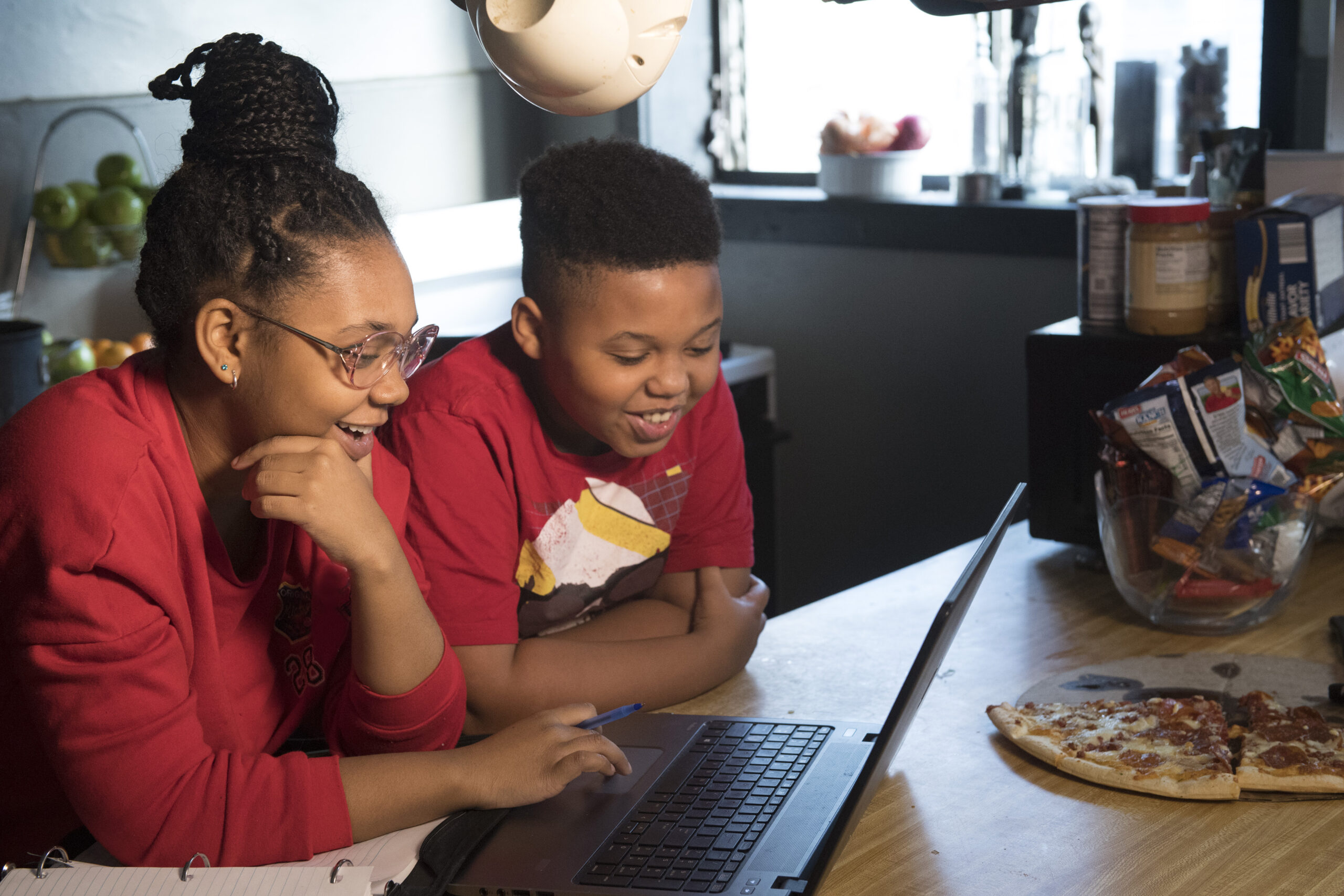
Scheduling flexibility is essential as parents face growing responsibilities. Whether you need to make time for doctor’s appointments, family trips, or alternate work schedules, online or cyber schools can provide flexibility without sacrificing the quality of your child’s education. Online education also allows children to receive personalized lesson content that aligns with their personal and career goals.
If you’re considering making the switch, Commonwealth Charter Academy explains the benefits of online education in this article.
Traditional classroom settings can fail to support each student’s unique needs, negatively impacting engagement and long-term outcomes. Flexible schedules, diverse resources, and a curriculum that meets students where they’re at can better equip your child to achieve their goals. The following benefits make flexibility an important aspect of learning:

Online learning offers flexibility by granting students greater autonomy, accommodating diverse schedules, and providing comprehensive yet personalized lesson content. Your child’s flexible schedule can offer you peace of mind, knowing that they can receive a good education while still allowing for other priorities, such as hobbies, relationships, and work. Here’s how online education offers such flexibility and how it differs from traditional school environments:
Each family’s schedule looks different. While many parents or guardians have a traditional nine-to-five schedule, others have schedules that vary from day to day. Some families may be more inclined to travel. Other families may have children who juggle extracurricular activities, part-time jobs, and internships.
Where a traditional school requires rigid schedules, online schooling allows children to attend classes and complete assignments at their own pace, enabling them to study on a schedule that works best for them. This also teaches them to be more independent by taking charge of their own progress.
Their time commitment will likely vary as they get older. For instance, elementary students may spend about 25 hours a week learning, with 15% to 30% of their school day at the computer. Meanwhile, high school students may spend at least 28 hours a week on schoolwork, with 80% to 90% of their school day on a computer.
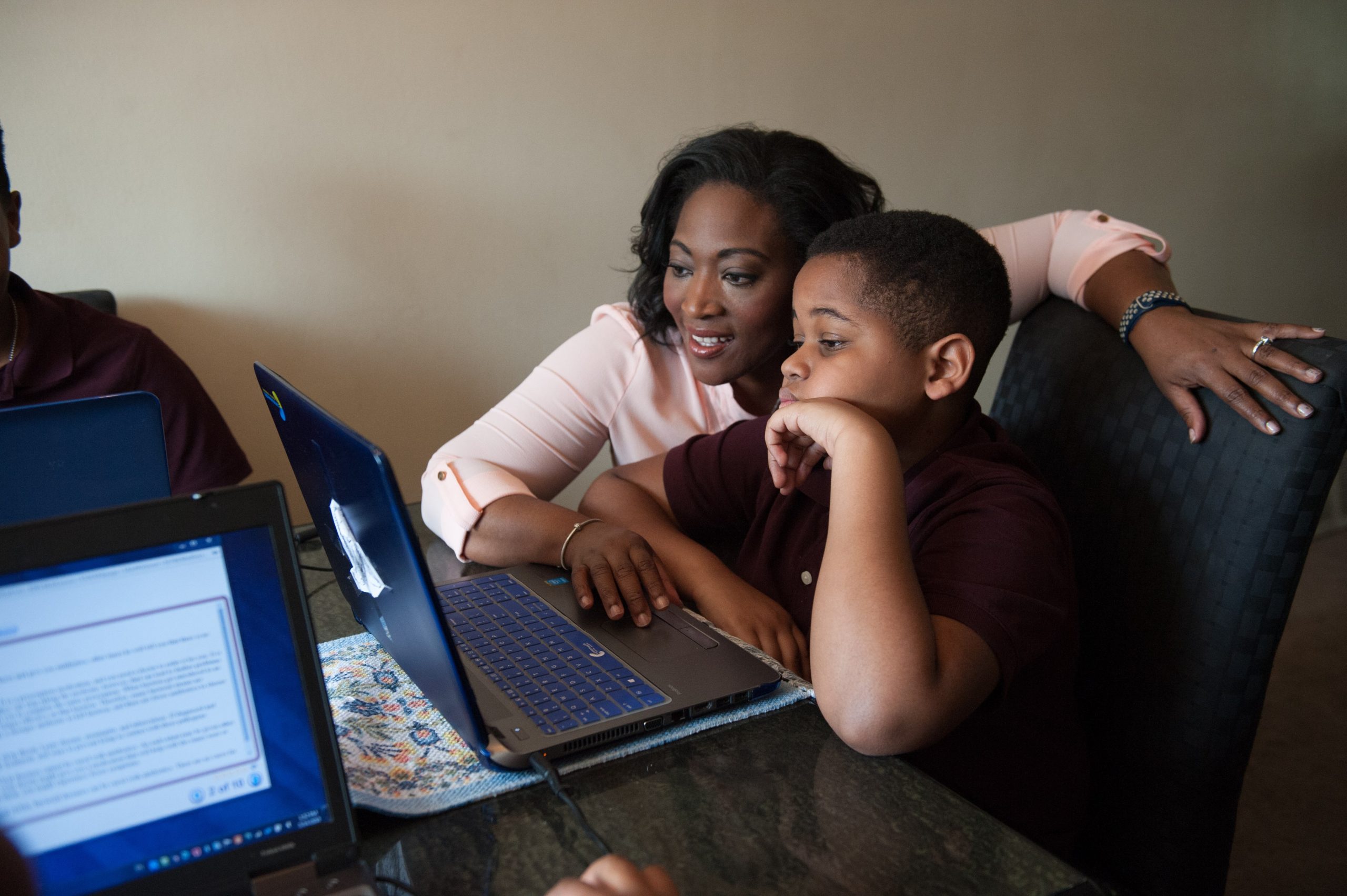
The child’s success is influenced by your collaboration with the teacher. Through a parent portal, you can monitor your child’s performance, track their assignments, and communicate with teachers. This also makes it easier for you to notify the school of any technological issues or concerns regarding the course materials. You or a designated adult can remain in regular contact with the teacher to update plans as needed.
Online education removes the stress from daily commutes. Your child can take classes from anywhere — whether at home or on the road with the entire family. Additionally, it overcomes geographical and financial barriers without sacrificing the quality of education. Your child can get an experience comparable to that of a conventional educational system.
One study shows that reducing classroom time by 30% to 79% results in equivalent learning outcomes, indicating that replacing face-to-face sessions with online education does not negatively impact a student’s performance. This flexibility and accessibility can empower more students to pursue higher education and shape their future proactively.
Online education offers personalized learning plans, allowing students to set academic, personal, and career goals. This encourages them to reflect on their future, while also equipping them with the necessary resilience and skills to succeed. Personalized learning plans take into account different learning styles, tailoring instruction to each student’s strengths and weaknesses. Students who excel can go through subjects at a faster pace, while others can take the time they need to fully grasp the concepts.
This adaptive approach to learning fosters a deeper understanding of the subjects, reducing learning gaps that make future subjects more challenging. Students can also explore other interests, such as art and music, offering a more holistic development.
Online education is especially beneficial for students with diverse needs, such as learners who are gifted or children requiring special education. Online schools typically have the capabilities and resources necessary to address such needs, supported by various school personnel, including teachers and counselors.
Since each student learns differently, online schools typically offer a range of instructional materials to support individual learning styles. For instance, students may watch video tutorials, review interactive lessons, or participate in virtual field trips. While some students may prefer reading materials, others can also benefit from tools that provide visual and auditory support. Asynchronous learning options allow students to revisit recorded lessons, especially for challenging concepts.
This level of flexibility and autonomy can be motivating. Studies show that interactive and engaging materials from computer technology have a positive impact on a student’s perception, knowledge, and skills. Online resources also reduce the need for textbooks, saving you on costs.
Teachers can offer a more comprehensive support, whether through live sessions or individual assignments. You can get updated on your child’s progress with parent-teacher conferences based on your child’s learning plan. The teacher’s regular evaluations can help you easily identify your child’s areas for improvement. That said, you or another adult can serve as a learning coach to help oversee your child’s work, especially if your child is in elementary school.
Online schools can offer in-person activities, providing socialization and collaboration opportunities. These activities, which include hands-on learning, field trips, or club activities, can help your child develop their problem-solving and critical thinking skills as they engage in group discussions. They also help create a sense of belonging, providing students with holistic growth.

While anybody can benefit from online education, the following reasons can be your drivers:
While flexibility is important, the predictability of structure is just as significant in keeping students on track. Here’s how you can balance the two:
The following questions and answers can help you further understand the benefits of online education.
Online learning can improve skills just as much as traditional classroom settings. However, the personalized learning plan must cater to the student’s unique needs and adequately consider their strengths and weaknesses. Online learning can also improve a student’s time management, critical thinking, and problem-solving skills. By partnering online learning with in-person activities, students can experience holistic growth.
Online education is not necessarily more effective than in-person classroom learning. However, it offers flexibility that is unavailable in the traditional classroom setting.
Enrolling your child in an online school provides flexibility in their schedules that benefits busy families. Your child won’t need to follow a rigid structure and can work on their schoolwork at their own pace, depending on their focus and energy levels. Your child can also access quality education regardless of where you live — whether you find yourself in a rural location with limited opportunities or if you travel a lot with your family.
The personalized learning plans and diverse learning materials can also better accommodate different learning styles. Online schools typically offer live classroom sessions, while also providing recorded materials and resources suitable for both auditory and visual learners. Your child can also enjoy in-person learning activities that can improve their social and collaboration skills.
Online or cyber schools can offer the quality education your child needs without sacrificing costs and career opportunities. The diploma your child gets is the same as any other diploma from a traditional school. However, your child will have more access to courses and various activities. This innovative form of education can be just the solution you need while you juggle a busy schedule.


Enrolling Now for 2026-27 School Year.