Enrolling Now for 2026-27 School Year.
Enrolling Now for 2026-27 School Year.
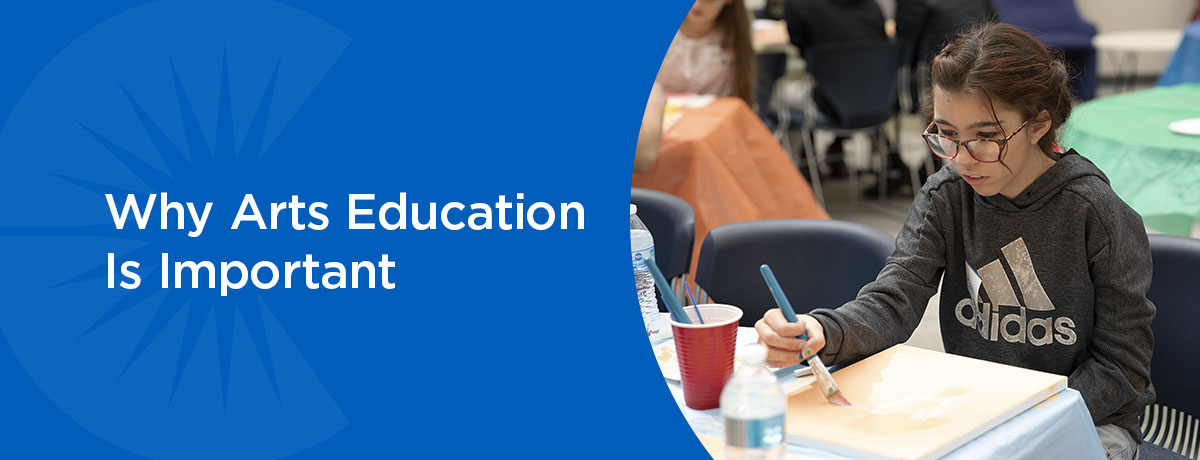
With so many subjects to learn, the benefits of art education in school can sometimes be overlooked. The arts can give young learners opportunities to build confidence, practice creativity, and explore new ways of expressing ideas. Children can also channel creative forms of expression into other subjects in school. One study found that art participation has a significant impact on academic achievement.
Explore why an arts education is so important in schools for young learners in their formative years.
Engagement is an important part of effective education. Art can keep students interested and engaged in the subject, because kids are in control of creating their own art, whether they are building a replica of an ancient Egyptian pyramid or creating a visual timeline of a historical event. It’s also a great way to teach foundational skills in a memorable way. When students use art to explore a subject, learning can feel more interactive and approachable, especially for complex or detailed topics.
Art can support learning across subjects like history, where drama or visual arts aids can make a pivotal moment in the past come to life. Art integration can also expand to math, where students can sing mathematical concepts to support learning and recall.
Integrating art into tricky areas of learning can create a more immersive experience that may stay in young people’s minds. Art can also keep young minds engaged when poor weather limits outdoor play, giving students a chance to try seasonally creative learning activities like fun wintertime projects.
The benefits of art in education are not limited to active participation or engagement in a subject. The range of critical thinking skills that art can enhance is further evidence of the importance of art education. Arts and cultural creativity can give students opportunities to practice critical thinking in different ways, which may include:
These opportunities can also be rewarding for teachers and parents because they give children room to think independently and participate in group discussions. Creating a learning environment where questions are welcomed can help encourage curiosity about learning.
While the correlation between arts education and critical thinking is being explored in higher education, it’s in these formative years that students can begin building those skills.
Arts and cultural education can support students’ social and emotional development. These experiences can encourage your child to come out of their comfort zone and collaborate with their classmates. Flexing the creative muscles of young artists in a safe and welcoming environment can be helpful for developing communication and social-emotional skills.
Arts educators teach students different ways to express themselves and understand the world around them. By expressing themselves through art, students may also learn to better manage their emotions and develop compassion for others by understanding how their actions impact them. These experiences can support self-esteem and social skills, which can help as children continue to grow in areas like:
The development of learning skills in young people is another reason why arts education is important. As adults, it’s easy to forget that when children are young, they learn important skills through play. As children continue to grow, they may encounter different approaches to learning. One educational framework for understanding skill development is the classical education trivium, which includes three stages:

Art can serve two important purposes in this capacity — it helps young people engage with subjects and provides them with a strong foundation they can build upon for later learning. Together, these benefits may help children build a broader, more positive connection with education.
Of course, learning the reasons why the arts are important in schools can also be considered alongside how participating children perform in tests. After all, we all want children to enjoy their education and do well in their studies at the same time.
Arts education has been linked to strong academic performance outcomes, including outcomes related to test scores, GPAs, and long-term academic progress. One study found that strategies like expressive writing helped promote identity self-affirmation and, in turn, improved academic achievement. Students can develop their self-expression, which may affect how they approach tests, presentations, and exams in higher education in the future.

Understanding why art is important for students at a young age can help families support a positive learning experience. CCA is a cyber school with a mission to transform today’s learners into tomorrow’s leaders. Through a personalized learning experience that engages the entire family, CCA helps students build skills, explore their interests, and stay supported throughout their educational journey.
Families can work with teachers and learning coaches to support a schedule that fits their student’s needs. This structure can help students explore creative interests while continuing to complete schoolwork, attend live instruction sessions when helpful, and stay connected to their courses through edio, CCA’s learning management system.
Are you looking to invest in your child’s future success? Request more info to find out how we can help you navigate enrollment.



Enrolling Now for 2026-27 School Year.